
How often should I visit the dentist?
Starting at about the age of your child's first tooth eruption, you should have them start seeing the dentist. From ages 1 to 3, it's pretty much a visual exam, oral hygiene instruction, and prevention. I'm a true believer in the fact that an ounce of prevention is worth a pound of cure. It's very attainable to have your child never have a cavity. That's my goal for my patients: for them to never have a cavity. Nothing would make me happier than to never have to drill on a tooth. If my practice is limited to orthodontics and smile makeovers and things like that, that would be awesome. I love all types of dentistry, but it's very rewarding for me to correct a poor course of action for a patient, or even better, to prevent them from ever having a negative impact at all. Dentistry can be expensive. There are a lot more fun things in life to spend your money on. I love doing dentistry, but I know my patients don't love having it done to them. If I can prevent you from having an issue in the first place, all the better.
From 1 to 3, it's visual exams, oral hygiene instruction, and prevention. Starting at about 3, we start to do the rubber polishing. Starting at about 5, we start to get dental X-rays. Starting at about 6 to 8, we start to do growth and development. Starting at 12, you have most of your adult teeth in. Starting at 18, you're an adult and you probably have your wisdom teeth in or coming in. Along that spectrum, starting at about age 3, I'd recommend coming in every six months.
At some point in your life, whether it's 40, 50, 60, 70, or 80, you're going to start to get some signs of gum disease. At least two-thirds of people are. At some point, we're going to recommend that you start coming in every four months instead of every six. One extra cleaning per year could prevent you from spending thousands of dollars on periodontal or gum therapy treatment, and also could help you keep your bone for the rest of your life. It can keep your gums from getting inflamed. Gum disease has a ton of problems. It's a chronic inflammatory condition. It's an untreated infection in your body. It raises your risk for heart disease, stroke, cancer, blood pressure issues, and diabetes. Pretty much everything bad in life that you don't want is more likely to happen if you have untreated infection and inflammation in the body.
Sometimes patients are like, "Oh man, I don't want to pay for that cleaning. My insurance usually pays for that cleaning." Well, a couple things. One, if you have diabetes, you can call your insurance company and get them to pay for it. Usually, a lot of our patients do have an enhanced cleaning benefit three or four times a year because the insurance company knows, like, "Hey, if I just pay this extra $80, I'm saving myself potentially thousands of dollars in unpaid claims later in life." They've done that risk assessment. They know that's the right thing for the patient.
If it's the difference between an extra cleaning for less than $100 or a lifetime of gum infection, I just ask you: what's more important to you? The average patient spends more on their hair care during the year than they do on their teeth. At some point I will recommend that if I see it, which happens for about 2/3 of patients, and I understand it might be frustrating if your insurance doesn't cover it, but it's really what you need. And it's really going to help you in the long run of your life.
Preventive care is an essential part of ensuring oral health. With that in mind, we make sure to include an array of routine preventive services in our comprehensive patient exams. These include:
- Physical inspection of the teeth and gums
- X-rays
- Oral cancer screening
- Cleaning and flossing
- Sealants
- Fluoride treatment
We also take in-depth medical histories from each of our patients when they come to our office. This helps us better understand our patients’ current health, predict what problems might develop in the future, and keep track of any medications they are taking that may impact their dental health.
Is there a risk to fluoride and should it be in the water?
Fluoride is starting to come back up again as, like, oh, is there a risk to fluoride? Is it bad? Should it be in the water? I'll tell you this: it should definitely be on your teeth because it's going to save you a bunch of money. Fluoride is considered one of the most cost-effective preventive health measures in the history of the world. The difference between somebody using fluoride and not using it is a 75% reduction in cavities. It should definitely be in your toothpaste, definitely in a fluoride mouth rinse. You should definitely be brushing your teeth with it. You should definitely be rinsing with it.
Now, should you be swallowing it, and should it be in your water? Past the age of 12, not really a benefit for it. Before the age of 12, it's going to get into the actual core of the tooth. As it's developing, it's going to be stronger and more resistant to decay. If we could have one group of water for people up to 12 and another group of water after that, that would be awesome. That's not really a feasible option. In my opinion, the people who are going to suffer the most from taking fluoride out of the water are the people who don't have access to dental care and the people who need it the most. In my opinion, yes, it should be in the water, but I totally understand that patients think it shouldn't be in some cases.
The studies for this are pretty weak. They're worried about calcification of the pituitary gland. There have been fluoride deposits found in autopsies in pituitary glands that regulate sleep cycles. Does it really do anything? We don't know. Could it be detrimental? Maybe. Usually what I ask somebody when they ask about fluoride is, do you drink alcohol? And pretty much universally everyone says yes. And I say, well, that's a known carcinogen toxin you're putting in your body every day in, you know, this much. So is that much little fluoride going to change your life? Probably not. But I understand the concern, and I would recommend it topically at all ages. If you're not ingesting it, you don't have to worry about other detrimental effects, if there are any, which I doubt there are.
What if I don't want to use fluoride?
But let's say, you know what, I'm an anti-fluoride person. You're not going to change my mind. I get it. There's another option. Hydroxyapatite, nano-hydroxyapatite. It's been around for decades. In the last year or so, I've seen it become super popular. I don't know if GC America lost their patent on it or what happened. I don't know. But all of a sudden, tubes of toothpaste that used to be $25 apiece are now $8 or $10. They're twice the expense of a fluoride toothpaste, but hydroxyapatite or nano-hydroxyapatite—they're putting it in gums now. That's really cool. It's the only other thing we know that mineralizes teeth.
Fluoride makes the tooth more resistant to acid, which makes it more resistant to a cavity. Cavities form when the bacteria in your mouth get sugar, they make acid for 20 minutes, and they dissolve the tooth and make a cavity. If you don't want cavities, you can either stop eating sugar completely, which would be effective and probably very good for you, but probably wouldn't make you very happy, or you can get something on your teeth to help resist that acid or help remineralize the tooth. Those two things are fluoride or nano-hydroxyapatite or hydroxyapatite. Those are more widely available now. They're in gums. There are some cool gums that have come out that have them. There are other toothpastes and things. It was always around, but I've seen a big push recently. Luckily, in conjunction with this push of concern about fluoride, there's also been a push toward hydroxyapatite, which is nice, and the cost has come down. So if you are an anti-fluoride person and your mind's never going to change on it, cool. Just get that instead. It's going to cost you a little more, but at least you'll be helping your teeth.
But there's no topical downside to fluoride. And I don't recommend that you swallow toothpaste or drink mouth rinse or try to drink and swallow the fluoride varnish we put on the teeth. It's not something I'm worried about. I do it for myself every cleaning. I do it for my kids. But if you are, there are other options.
What should I do at home to prevent cavities?
Now, everyone talks about brushing or flossing. Everyone knows they should do that. Not everyone does, but that's physically removing the bacteria from the tooth that'll cause the cavity. If you want a recommendation for a toothbrush, a Sonicare is the best, hands down, 100%. I sell them at my office at cost. I don't care where you get them. Just get one. It doesn't matter the brand. It's just the model. That's the most effective thing at cleaning three surfaces of the teeth.
Between the teeth, a toothbrush is never going to get in there. You've got to do something to get in between. There are floss picks, there's floss, water picks, but you've got to do something. In my opinion, regular floss is the best. Floss is just a string to wipe the tooth. It doesn't matter what type of floss you get. Get whatever you want.
How much sugar is bad for my teeth?
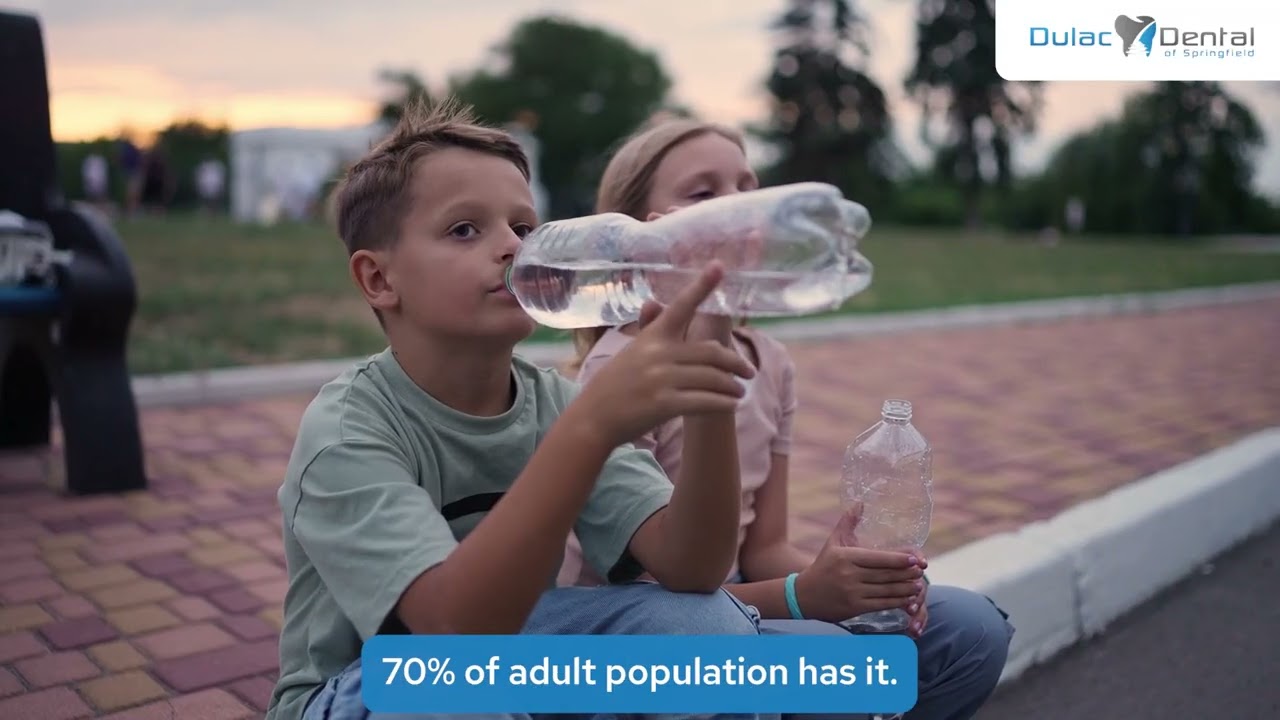
We talked a little bit about frequency of sugar. If you don't have sugar in your diet, you're not going to get cavities. If you do, it doesn't matter the amount, it's the frequency. When the bacteria in your mouth get sugar, they make acid for 20 minutes, the acid dissolves the tooth, and it makes a cavity. If you take a bag of Skittles and you eat one every 20 minutes—I don't know how many are in a bag, 180, whatever—it's the entire course of time that you're going to get acid on the teeth, and you're going to get a cavity. If you take that same bag of Skittles and eat handfuls of it after a meal, you've only increased your time of acid by, like, what, a minute.
It's not the amount of sugar in your diet, it's the frequency of it. Go ahead and have juice, soda, desserts, whatever. Just have them at mealtimes. Only have them three or four times a day. It's sipping on the coffee with sugar, sipping on that soda, sipping on that juice—that's what's going to give you cavities. Frequent snacking, frequent exposure to sugar: that's when you have to worry about cavities.
What is xylitol and can it help prevent cavities?
If you are kind of a snacker, you like to snack, you have a busy day, and you can't really get to the toothbrush afterward, there's a cool product called xylitol. It's a sugar alcohol. It's like sugar. It tastes like sugar to you. All those—xylitol, sorbitol, you know, all those some people call diabetic candies—they're all sugars that you can eat and that taste sweet to you, but because there's an alcohol on the sugar, the bacteria that eat it, that make the cavities, they can't eat it. And there's one really cool sugar alcohol called xylitol. The bacteria can eat it, but if they want to eat it, they've got to change their whole metabolism around so that they don't make cavities when they get regular sugar. This is something that you literally cannot get enough of. I wouldn't eat masses of diabetic candies because it gives some people stomach upset—just not good for you. But gum with xylitol in it is awesome.
I recommend chewing gum after meals. There's an old Trident commercial like, four out of five dentists agree, and the fifth one got hit by a truck or something. Chewing sugar-free gum is good. Chewing xylitol-based sugar-free gum is awesome. They did a study in kids where they gave one group of kids gummy candies with nothing, another gummies with sugar, and another gummies with xylitol. The gummy with the xylitol group of kids had fewer cavities than the control group with nothing. So it definitely decreases cavities. It'll definitely improve the bacteria in your mouth for preventing cavities. It definitely helps the teeth, and that's something I recommend, and it's available in a lot of gums now. Mentos and Ice Breakers are the two, you know, that you can get in a big pack that have it.
There have been some really cool gums that have come out recently. You can get them on Amazon that have nano-hydroxyapatite and xylitol in them and, like, a more natural gum base. I enjoy those. I've got them in the office. I got samples of all the stuff in the office. If you want to take a look—even if you're not a patient, you want to come by and say, "Hey, you know, I saw Dr. Dulac's video. Show me some of this stuff." It's all available. It's all in the office. Please come check us out.
Are dental X-rays safe?
When I was younger, I used to be worried about X-rays, too. When we were in dental school, they showed us this X-ray gun and they made us stand around it with, like, a Geiger counter. If you're 6 feet away from the X-ray head, there's no reading of any radiation. If you're behind it or around it, there's no radiation. I take dental X-rays in the office with the patient all the time, all day. My hygienist has a mobile X-ray gun. She wears a badge. It's never clicked above background radiation. There's radiation all around us. It releases from the stone in our house. It releases when we burn natural gas out of the stove. When we fly up higher in the air and there's less atmosphere blocking the sun's radiation, we get more radiation in an airplane. It's all around us. The radiation dose from dental X-rays is almost immeasurable. It's basically zero. You will get more background radiation in your life from the other things I just went over with you than you ever will from an X-ray.
There are areas between the teeth and around the teeth—like, I don't have X-ray vision. I'm not Superman. I can't see through your tooth. There are areas between the teeth I can't see, and that's why we get those little bitewing X-rays: four in the mouth once a year. And then I can't see in the bone, so about every 3 years, you know, one around the head to look in the bone. That's why they're needed. I recommend them legally and ethically. I can't treat you without them. I understand some people have concerns about radiation, but if you actually look at the doses and the amount of radiation, there's really no reason to be concerned. I'm not concerned. No dentist has any increased risk of cancer from taking X-rays in the office all day. A lot of these things that people worry about, it would be dentists and hygienists who would be most prone to them. And there's no increased professional risk that's ever been documented for anyone.
These things are safe, effective, and they're designed to help you. I understand there are concerns about them. I'm happy to go over those concerns with you, but like I said, an ounce of prevention is worth a pound of cure. Yes, fluoride, yes, xylitol, yes, nano-hydroxyapatite, yes, cleaning checkups, yes, regular exams, and yes, dental X-rays.
Want to learn more? Call Dulac Dental of Springfield at (703) 451-4500 or email [email protected]. Our team is happy to answer your questions and help schedule your visit.