
Understanding Sedation in Dentistry
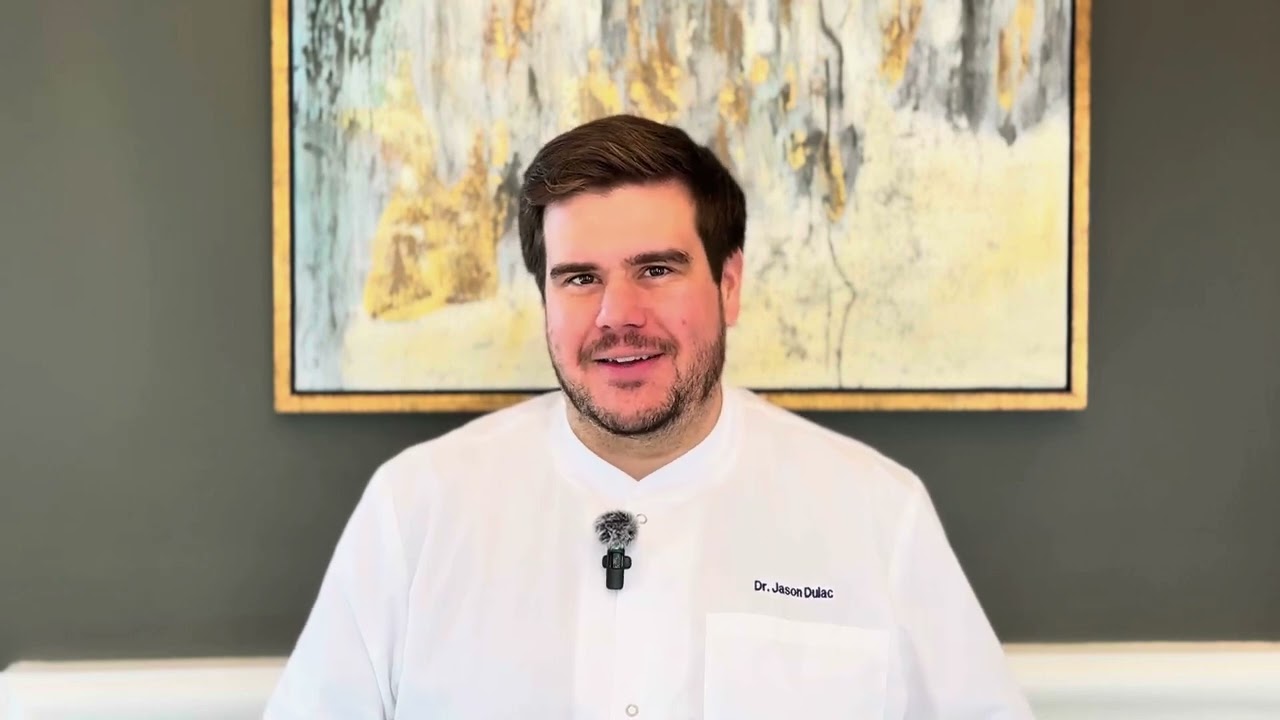
What is sedation dentistry?
Sedation dentistry involves using something extra to take the edge off during the dental procedure.
Why would sedation be needed in dentistry and how does it help?
A lot of my patients are nervous about the procedures, and this is just something to take the edge off. All dentistry in my office is painless. The difference with sedation is you're using either gas, pills, an IV, or general anesthesia to go to sleep a bit or take the edge off before getting the numbing.
Can I request sedation for my dental procedures at Dulac Dental of Springfield?
You can request sedation for any dental procedure. We offer general anesthesia, laughing gas, nitrous oxide, some oral sedation additives, IV sedation, and general anesthesia for any procedure you want. If you're interested in being put to sleep or anesthesia, IV sedation for any dental services, please let us know.
There are certain surgeries that I recommend it for. Full mouth cases that we do in my office, I recommend sedation or general anesthesia for, but you can choose it for any services. You do not need to do it for any services. It's always available and really helps patients who are a little more nervous and don't want to remember the procedure. In my office, you're always going to be numb and comfortable. However, some patients need a little more than the comfort aids we have, like blankets, pillows, headphones, and local anesthetic.
What are the options or levels of sedation for dentistry?
I always recommend some Tylenol and Motrin before the procedure to help take the edge off. We have comfort aids. We can give you Valium or Xanax. I know some people self-medicate. If you're doing that, please let me know. If you've had a drink or, now that cannabis products are legal in most states, if you've taken something like that, please let us know.
In the office, the lowest level is nitrous oxide. It's a gas you breathe in and out, which takes the edge off. Some people feel a little floaty, some feel a little heavy. It's very safe and doesn't interfere with any medications. The only reason you couldn't have nitrous oxide is if you had recent eye surgery in the last month. It's very safe and effective, not impairing your ability to drive afterward.
There is something called oral sedation that I'm trained in, but I don't do personally in my office. That's taking laughing gas and some narcotics and Valium, Xanax type products, maybe some cannabis type products, mixing it all together to bring you to an unaware state. That is the least safe way to sedate somebody and is one reason I don't do it in my office. Also, the fees to offer that service are very high, and for most patients, going to pick up medication at the drugstore or getting things they can get over the counter and then being charged a couple hundred for that is not something they're very interested in. We can do something to take the edge off. I have the laughing gas in the office. The next step above that would be IV sedation.
What is IV sedation?
You get an IV in the arm, and you're going to go to sleep. You're not going to remember anything. We'll do the dentistry and then wake you up. You do need a driver for IV sedation because the medicine stays in your system for a little bit. It won't be safe for you to drive home afterward. So, you do need a driver.
There are some considerations like not eating a certain number of hours prior, but it's always an option. It's a good option for most patients. Some patients, for health reasons or due to the length of the procedure, would need the next level above IV sedation, which is general anesthesia. In my office, I always have another provider for safety reasons to do IV sedation and general anesthesia. I'll be doing the dentistry, and there'll be another doctor in the office, an anesthesiologist, to monitor the IV sedation or the anesthesia.
What's the difference between IV sedation and general anesthesia?
Under IV sedation, you're not aware of anything happening, but you are still breathing for yourself and will respond to commands. Even though you won't remember it, if I tell you to open or turn, I can get you to turn or open, and you're breathing on your own. With general anesthesia, we put in an airway, making it very safe and an option for almost every patient. You need to be at a certain health level for IV sedation, but for general anesthesia, almost any patient is an acceptable candidate.
If a longer procedure is needed, you'll need general anesthesia. General anesthesia uses a combination of gases and IV medications. You're completely out, and the machine is breathing for you. The anesthesiologist moderates the sedation, bringing you in and out of the level of anesthesia sedation needed.
Both IV sedation and general anesthesia will seem the same to the patient. From the patient's perspective, you'll sit down, breathe in some gas or get an IV, and you'll be out. From the doctor's side, it's different because under IV sedation, you're awake and respond to commands, while under general anesthesia, you're completely out. Different patients are candidates for either one. To the patient, they seem about the same. The fees are similar.
If you're interested in which one's right for you based on the duration of the procedure or your medical history, please let us know. We can do IV sedation or general anesthesia for any procedure, even cleanings. If you're very nervous and interested in getting sedated, it's an option at my office. A general anesthesiologist, board-certified, will provide these services.

What comfort aids are available for patients at Dulac Dental?
We want our patients to be comfortable in our office. We provide a number of comfort aids including blankets, pillows, stress balls, noise canceling headphones, and sunglasses. If you're concerned about pain, I usually suggest taking some Motrin or Tylenol before your appointment.
What options are available for patients who want more than comfort aids?
For patients who need additional comfort, we have two options for anxiolysis or ‘taking the edge off’. The first is nitrous oxide, also known as laughing gas. Alternatively, I can prescribe medications such as Dazal, Valium, or Xanax.
Is laughing gas safe?
Yes, nitrous oxide is completely safe and does not interfere with any medications. The only exception would be if a patient has had recent eye surgery within the last month. This gas is safe enough to use for children and is an effective way to ease anxiety. After using nitrous oxide, patients are also safe to drive as it does not interfere with their abilities.
What precautions should be taken when using Valium or Xanax?
If patients are prescribed Valium or Xanax, they should arrange for someone else to drive them to and from their appointment. These medications may cause drowsiness and we want to ensure our patients' safety.
What are the other sedation options available at Dulac Dental?
Beyond anxiolysis, we offer oral sedation and intravenous (IV) sedation. Oral sedation involves taking a couple of different pills and is not currently offered in our office due to the potential for over or under sedation. For IV sedation or general anesthesia, we can bring in a board-certified anesthesiologist. These options are commonly used in conjunction with wisdom teeth extractions.
What is the difference between IV sedation and general anesthesia?
With IV sedation, patients will still respond to commands and breathe on their own, but won't remember anything afterwards. With general anesthesia, patients are completely unconscious and a machine assists with their breathing.
What is the goal with the use of sedation at Dulac Dental?
Our ultimate goal is to create a comfortable environment where patients feel at ease without the need for sedation. Over time, many of our patients find they no longer need any form of sedation.
How can patients reach out if they are interested in sedation dentistry or have any questions?
You can contact our office at (703) 451-4500 if they have any questions or are interested in exploring sedation dentistry options.
Many patients suffer from dental fear or anxiety and would prefer to be sedated for dental procedures. We have a number of options to make your dental experience as pleasant as possible.
We always have available pillows, blankets, weighted blankets, stress balls, earplugs, and earbud headphones. Dr. Dulac also allows friends and family members in the room if you prefer someone present for moral support. And Dr. Dulac will never work on you unless you are completely numb. Our goal is to provide a pain-free experience.
Additionally we have a number of medications that can be administered or prescribed for anxiety relief. Dr. Dulac recommends and provides nitrous oxide anxiolysis (“laughing gas”). Nitrous is a safe and effective way to take the edge off of any procedure. It’s a very safe and effective way to relax in the office and is entirely safe to drive home yourself after the procedure.
Finally, if you would prefer to be put to sleep to have your dental work done, Dr. Dulac works with a team of anesthesiologists in the area to provide IV sedation and general anesthesia for any dental procedure. The anesthesiologist will review your medical history, to make sure it’s safe for you to have anesthesia in the outpatient setting, and the anesthesiologist will coordinate with Dr. Dulac and your schedule to find a time you can be sedated and have any and all dental work completed. If you’re interested in sedation dentistry, inquire with Dr. Dulac or his staff.